
Canada’s economic growth stalled by red tape and fear of risk, say Coalition co-chairs
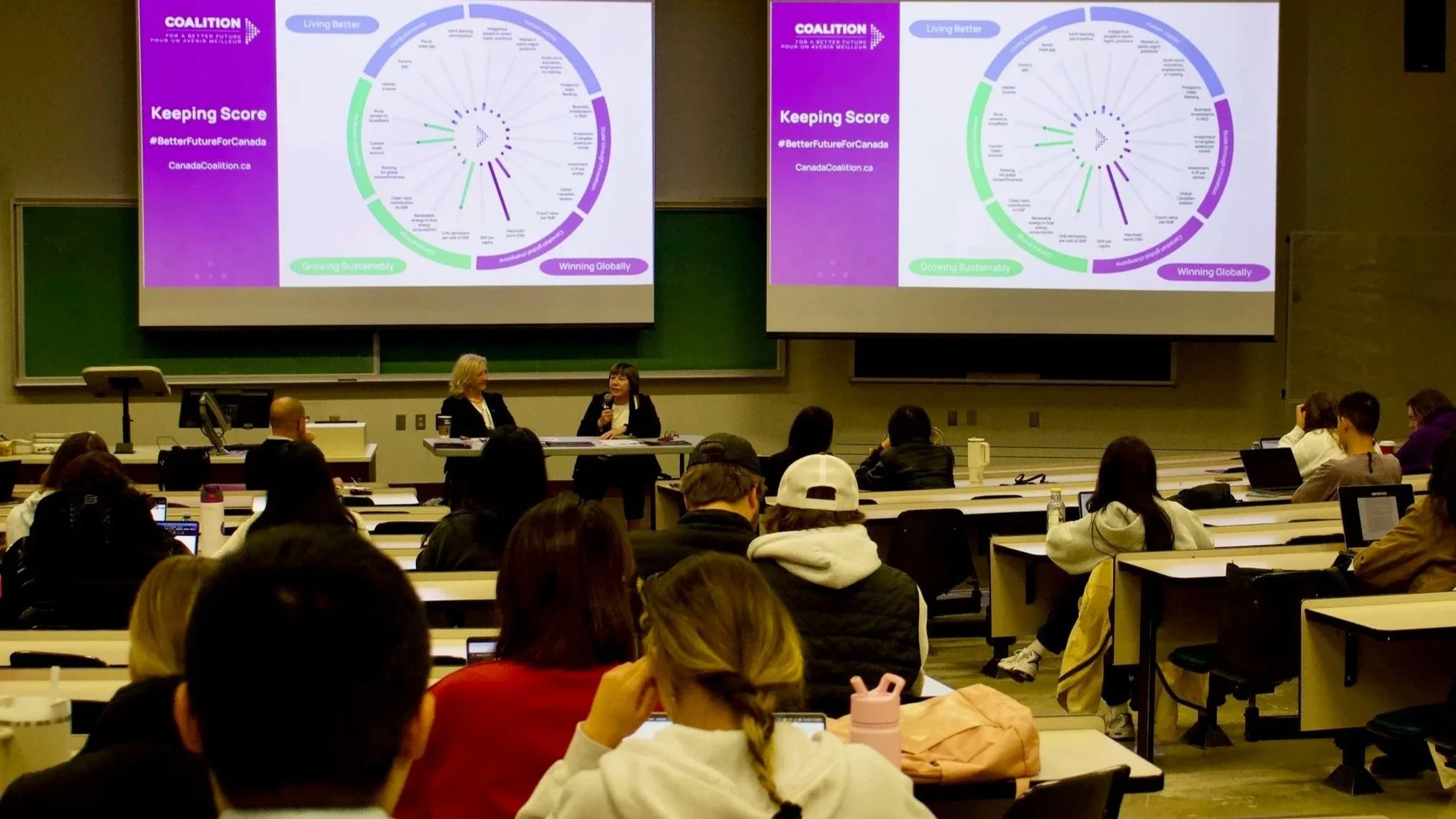
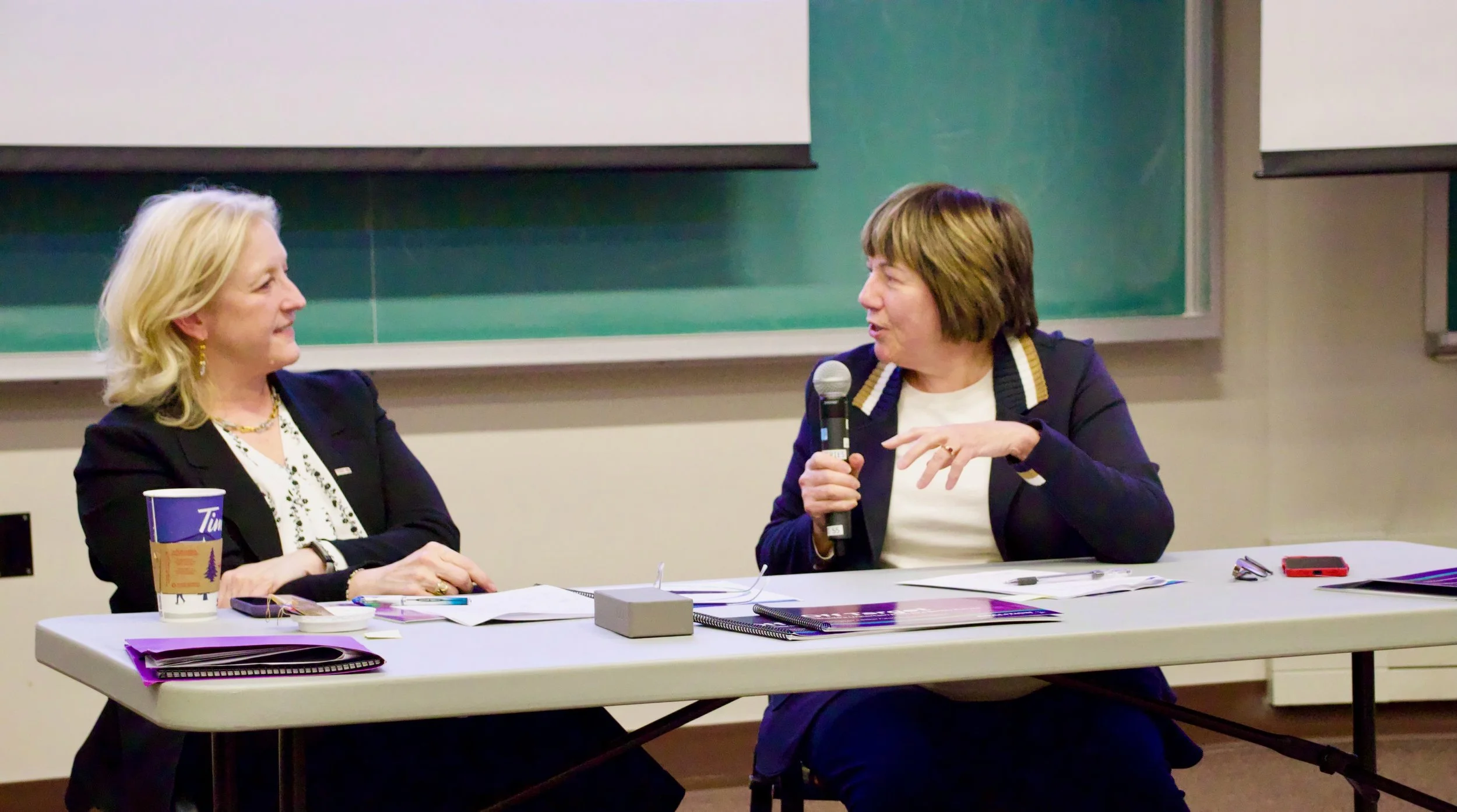
Coalition for a Better Future co-chairs, Hon. Lisa Raitt and Hon. Anne McLellan met with political science students at Western University as part of the Campus Tour series. PHOTO: Coalition for a Better Future
Political pressure, global market shifts and a risk-averse private sector are compounding Canada's economic challenges, according to the Coalition for a Better Future co-chairs, who delivered this message to University of Western Ontario students.
The co-chairs, the Hon. Lisa Raitt and the Hon. Anne McLellan, made the comments as part of a Campus Tour event on November 27 in London, Ontario, in collaboration with the Department of Political Science.
When Raitt asked the students about their perception of Canada's economic growth, the majority, as indicated by a show of hands, believed the country is not on the right track for economic growth or maintaining a high standard of living.
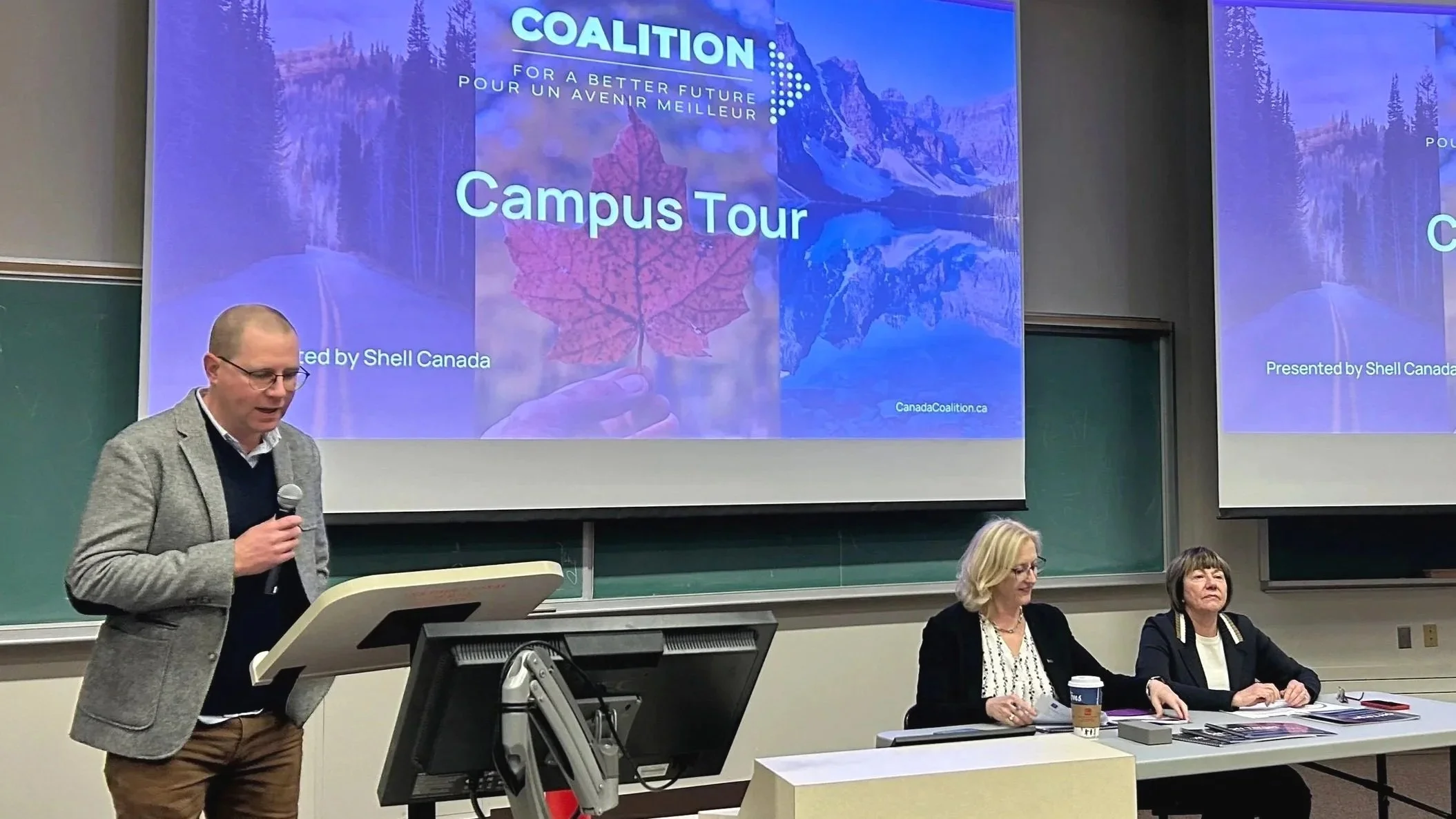
Professor Joseph Lyons introduces the co-chairs at the Campus Tour event. PHOTO: Coalition for a Better Future
In a separate in-class poll, 48 per cent of student respondents identified “more job opportunities” as the most important benefit of inclusive, sustainable economic growth.
The Campus Tour series, supported by Shell Canada, brings the co-chairs to campuses nationwide, where they engage with students on the crucial role of public policy in building a more inclusive and sustainable economy, and the role they have in influencing policy decisions.
The co-chairs informed students the Coalition’s Scorecard provides the metrics and data to hold governments accountable for driving the economic growth necessary to meet the Coalition’s targets by 2030.
During the question-and-answer session, students expressed their concerns about Canada’s economic future. Their questions underscored the urgent need for action from governments and the private sector to create jobs and opportunities, while also striking a balance between economic growth and environmental sustainability.
Responding to a question about how the country can become more productive while also addressing the regional divisions, Raitt said federal and provincial governments are turning to the sectors and industries that are proven, including small manufacturing and natural resources, and that can, in the “medium term,” improve our economic outlook.
“We know how to extract them,” said Raitt, referring to natural resources like bitumen and rare earth minerals. “We may not know how to process them, but we have to learn how to process them, because extracting without processing is foolish. We have to be able to do both in order to be able to send more finished products.”
Raitt went on to say that university research is essential for driving innovation and that we need to encourage researchers to keep their work in the country.
“We have to work on taking the incredible research that is done in our universities and keeping it in Canada and maintaining the intellectual property for this country, as opposed to allowing it to be bought and exported to the United States or stolen,” said Raitt.
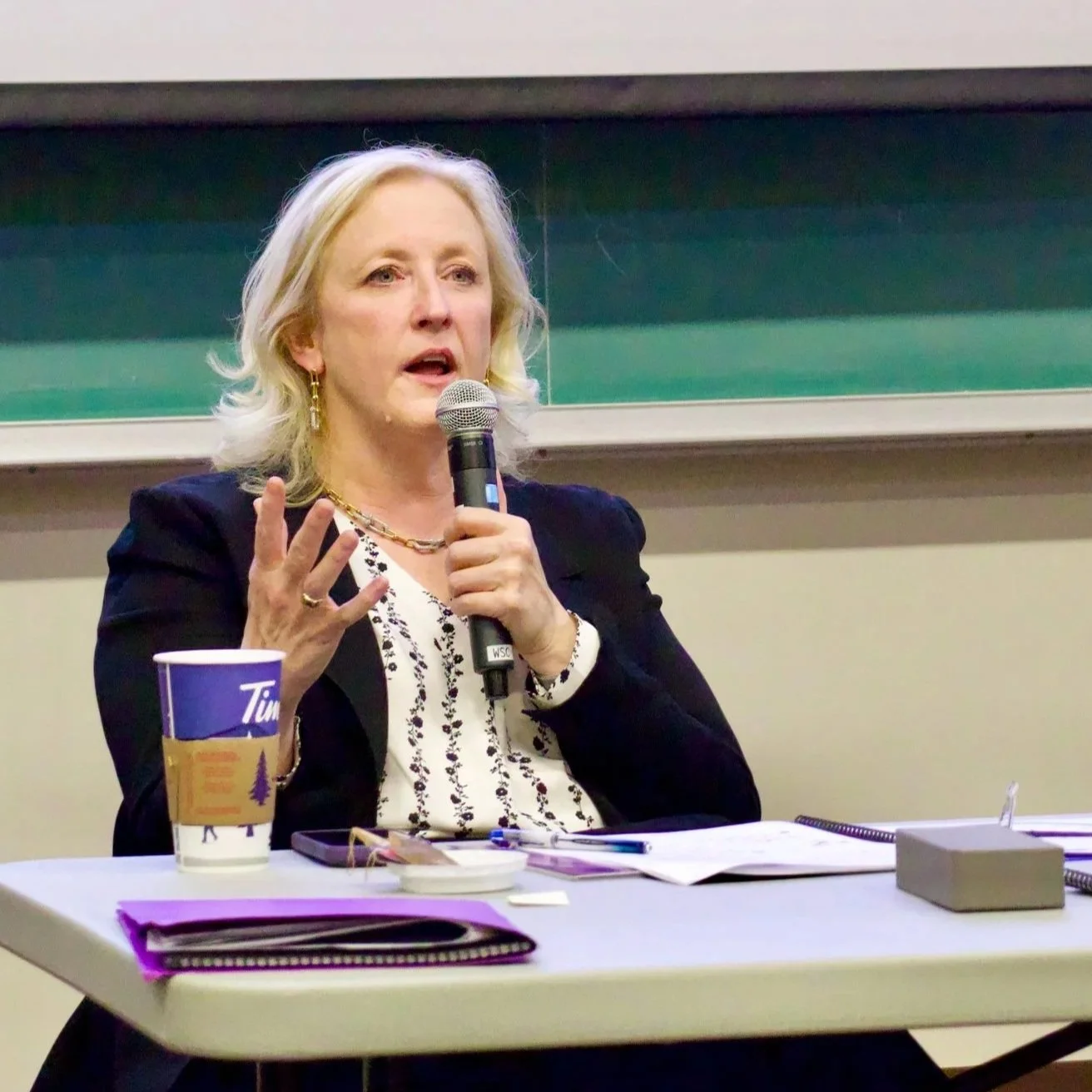
“We have to work on taking the incredible research that is done in our universities and keeping it in Canada and maintaining the intellectual property for this country, as opposed to allowing it to be bought and exported to the United States or stolen.”
Hon. Lisa Raitt, co-chair, Coalition for a Better Future
In response to the same question, McLellan explained that resource extraction inevitably brings environmental and community impacts, which makes striking a balance essential. But, she stressed that if businesses want to succeed and compete, it's time for the private sector to take on more risks.
“If you look at our metrics, we are falling behind. The private sector is falling behind anyone you want to compare yourself to in the developed Western world, in relation to IP, in relation to equipment and machinery, in relation to research and development, in relation to training your workers,” said McLellan. ”The private sector has got to step up and take a few risks.”
She pointed to Canada’s historic achievements — railways, medical breakthroughs, and leadership in AI — to argue that today’s stagnation is driven by fear. Studies, she said, show that the biggest barrier to adopting new technologies is fear that systems won’t work, that workers will resist, or that companies will have to invest in training.
McLellan noted that government regulations and support have propped up companies that are reluctant to take risks, resulting in a lack of competition. She concluded by suggesting that the actions taken by Prime Minister Mark Carney are intended to encourage the necessary risk-taking needed to improve Canada's economic outlook.
“We are where we are, but all of that is going to change,” said McLellan.
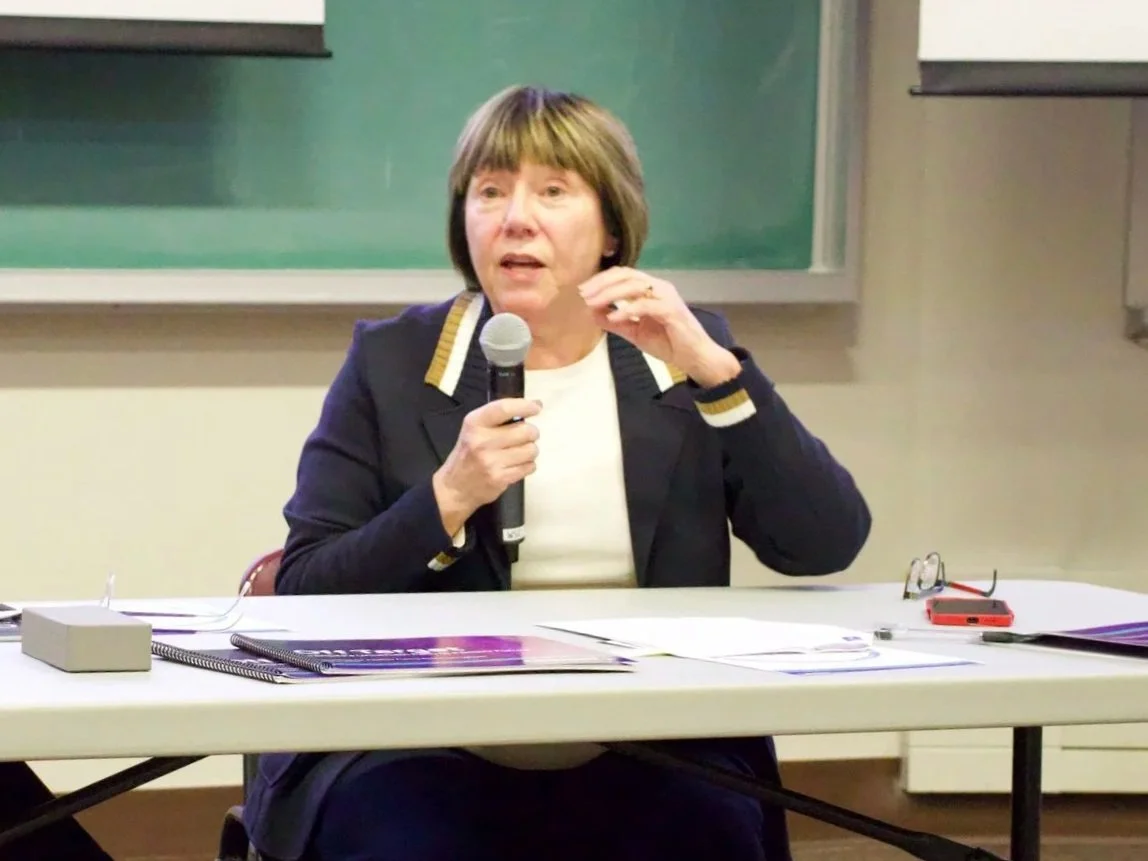
“The private sector is falling behind anyone you want to compare yourself to in the developed Western world, in relation to IP, in relation to equipment and machinery, in relation to research and development, in relation to training your workers.”
Hon. Anne McLellan, co-chair, Coalition for a Better Future
Citing the signing of the Memorandum of Understanding (MOU) between the federal and Alberta governments, a student from British Columbia asked whether Canada should focus on economic projects that avoid long-term environmental impacts.
Raitt was candid about the limits of immediate alternatives available to grow our economy. “Not in the short term,” she said. While expressing optimism about small modular reactors, wind energy, and nuclear power, she noted that these projects are 10 to 20 years away, and that mining projects alone can take “16 years to build.”
“I think that this is just an agreement to signal to the private sector that all of the things that you said are impeding your investment are now negotiable,” said Riatt. “So bring the projects that you like to the table.”
McLellan emphasized that the conditions in the MOU indicate that for any project to move forward will depend on negotiations with the Province of British Columbia and the coastal First Nations. “This MOU opens the door to a series of discussions to see where they go, and to Lisa's point, whether the private sector has any interest,” said McLellan.
Shifting focus to regulatory hurdles, the co-chairs were asked how to address excessive red tape that delays the development of initiatives such as affordable housing and clean energy projects.
In response, Raitt cited the recent example of Nutrien, a Canadian potash company seeking to expand its shipments to Asia through the Port of Vancouver. But, regulatory roadblocks led them to pursue operations from the U.S. She said the situation illustrates the urgent need for regulatory reforms to better support high-impact projects.
"These are the projects that you would think shouldn't take that long to get approved, but in fact, do," said Raitt.
As the discussion wrapped up, the cochairs emphasized that while Canada’s economic trajectory needs improvement, there is hope for a better future.
“We could do so much more, and we could be so much better in this country, and we deserve to do more and to be better,” said Raitt. “Opportunity is there. If I could give one wish to all of you in this room, be bold, have guts, break rules.”